


[Meticulous Doctor] Tattoo Removal[3 Consecutive Treatments in One Visit] R0 Tattoo Removal
![[3 Consecutive Treatments in One Visit] R0 Tattoo Removal](/_next/image?url=https%3A%2F%2Ffirebasestorage.googleapis.com%2Fv0%2Fb%2Fkkeutguro-7e583.firebasestorage.app%2Fo%2Fproducts%252Fguro%252Fen%252F1758790504352_51c9dbe2-07c3-4d11-b5d6-2d330c945f22_rt.webp%3Falt%3Dmedia%26token%3D2e7f40f4-5593-4a03-9059-ec436f2ffc22&w=2048&q=75)
[3 Consecutive Treatments in One Visit] R0 Tattoo Removal
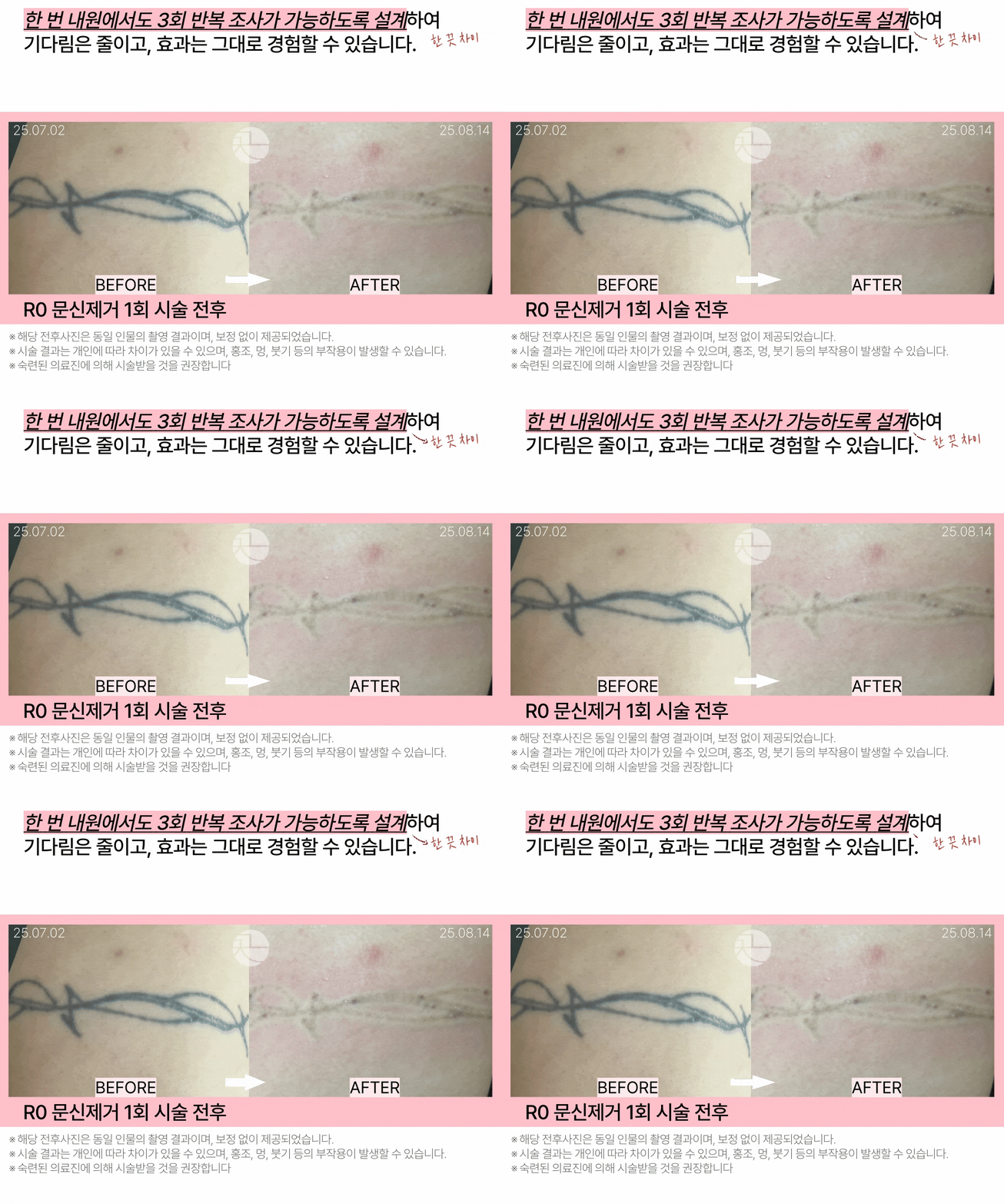
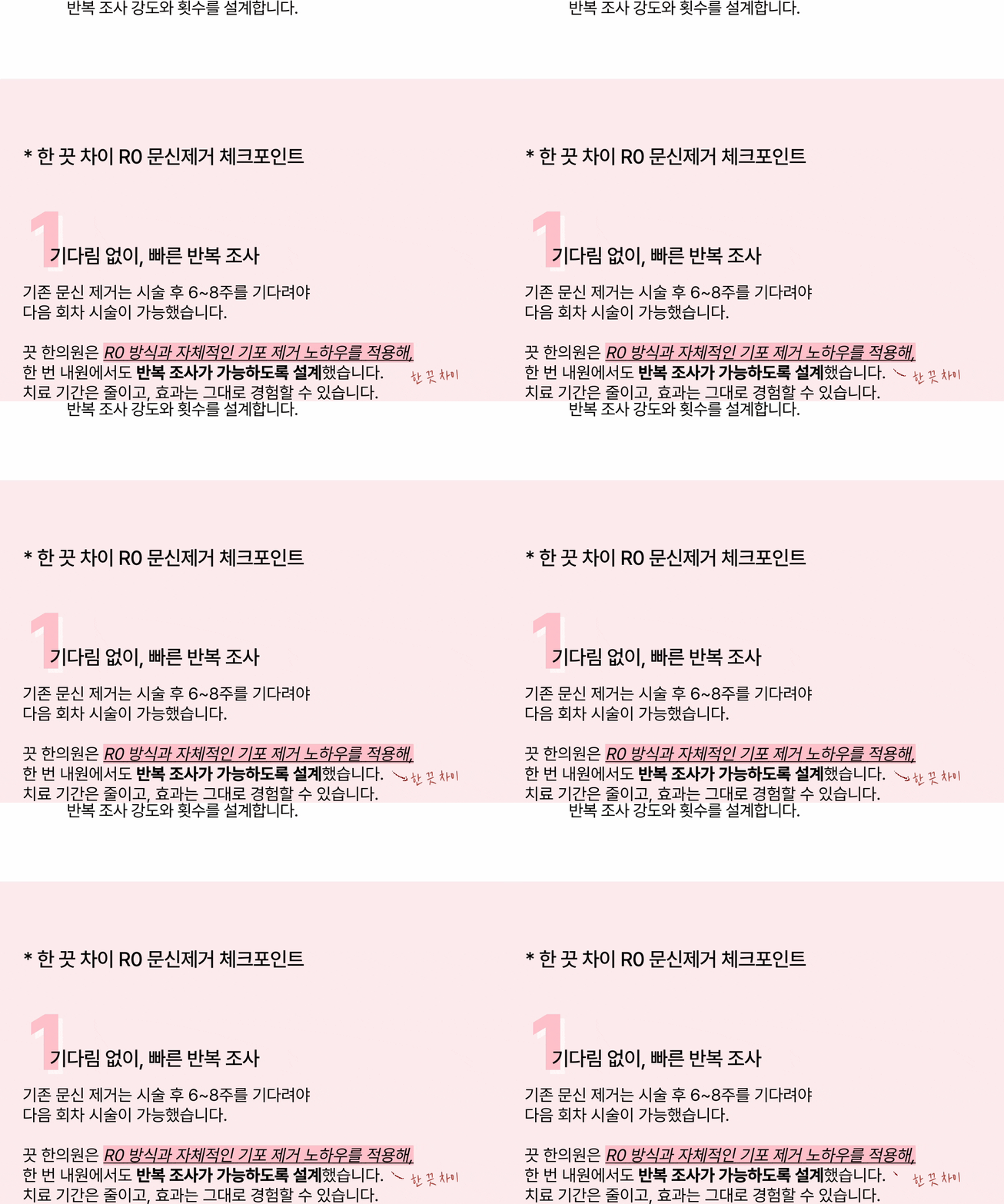
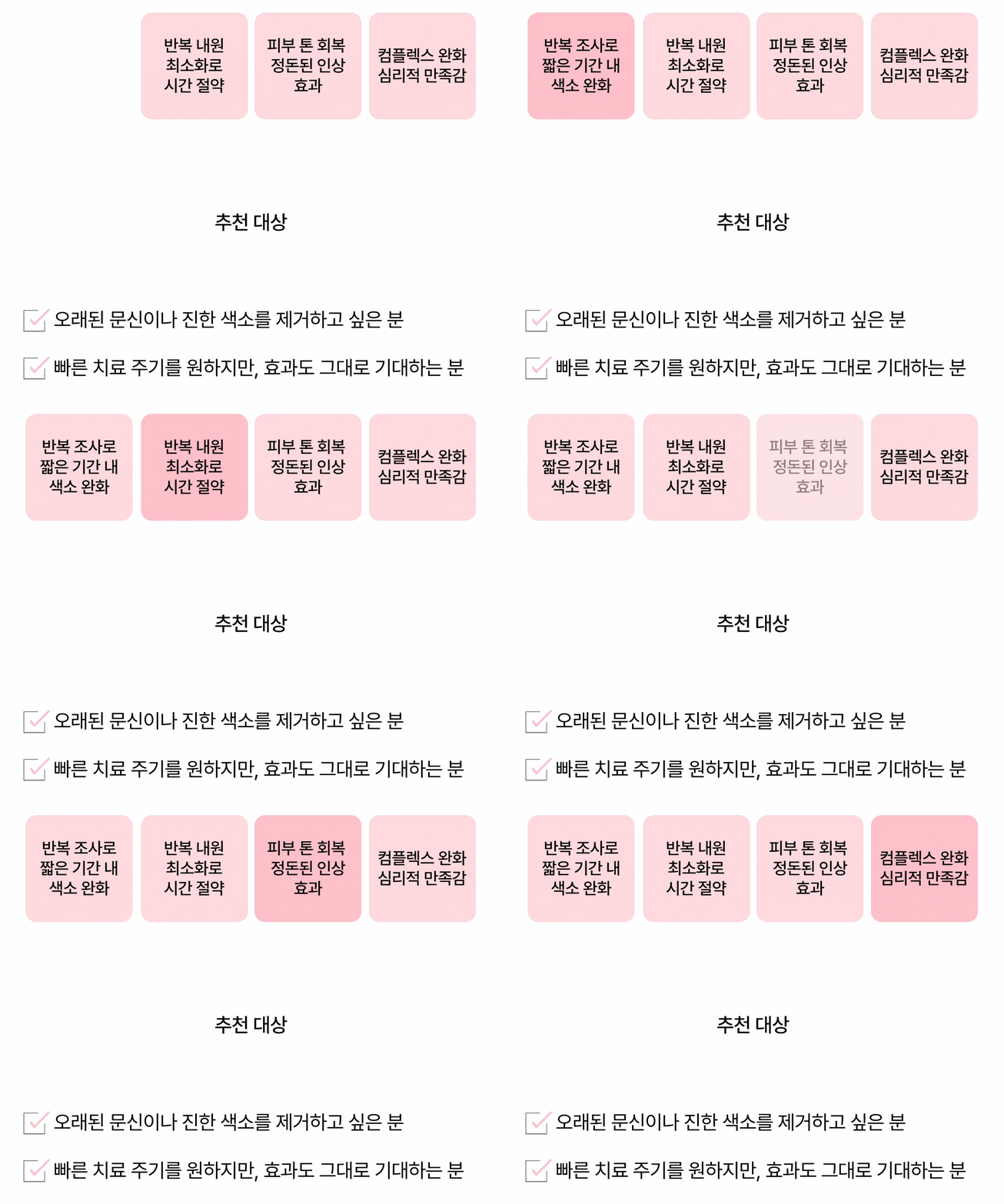
Unlike traditional tattoo removal methods that required a recovery period of about a month after each treatment, R0 tattoo removal involves three consecutive laser irradiations in a single visit. By applying Kkeut Oriental Clinic's unique bubble removal know-how to the R0 method, continuous treatment on the same day is possible. This reduces the number and duration of treatments to approximately one-third of traditional methods, allowing you to expect the same effect as three treatments in one visit. *VAT separate
Options
Treatment Details
R0 Tattoo Removal Method
Immediate Repetitive Laser Firing Technique Using PFD
Tattoo removal using lasers has primarily employed methods that break down pigments with nanosecond lasers, such as Q-switched Nd:YAG (1064nm).
However, traditional treatment methods required a waiting period of about 6-8 weeks for skin recovery after a single laser pass before the next session could proceed. The total number of treatments also averaged over 10 sessions, meaning completion could take a considerable amount of time.
One new approach to reduce these time constraints is the R0 method.
What is the R0 Method?
R0 refers to a tattoo removal technique where the same tattoo area is continuously treated with a laser up to 4 times during a single visit.
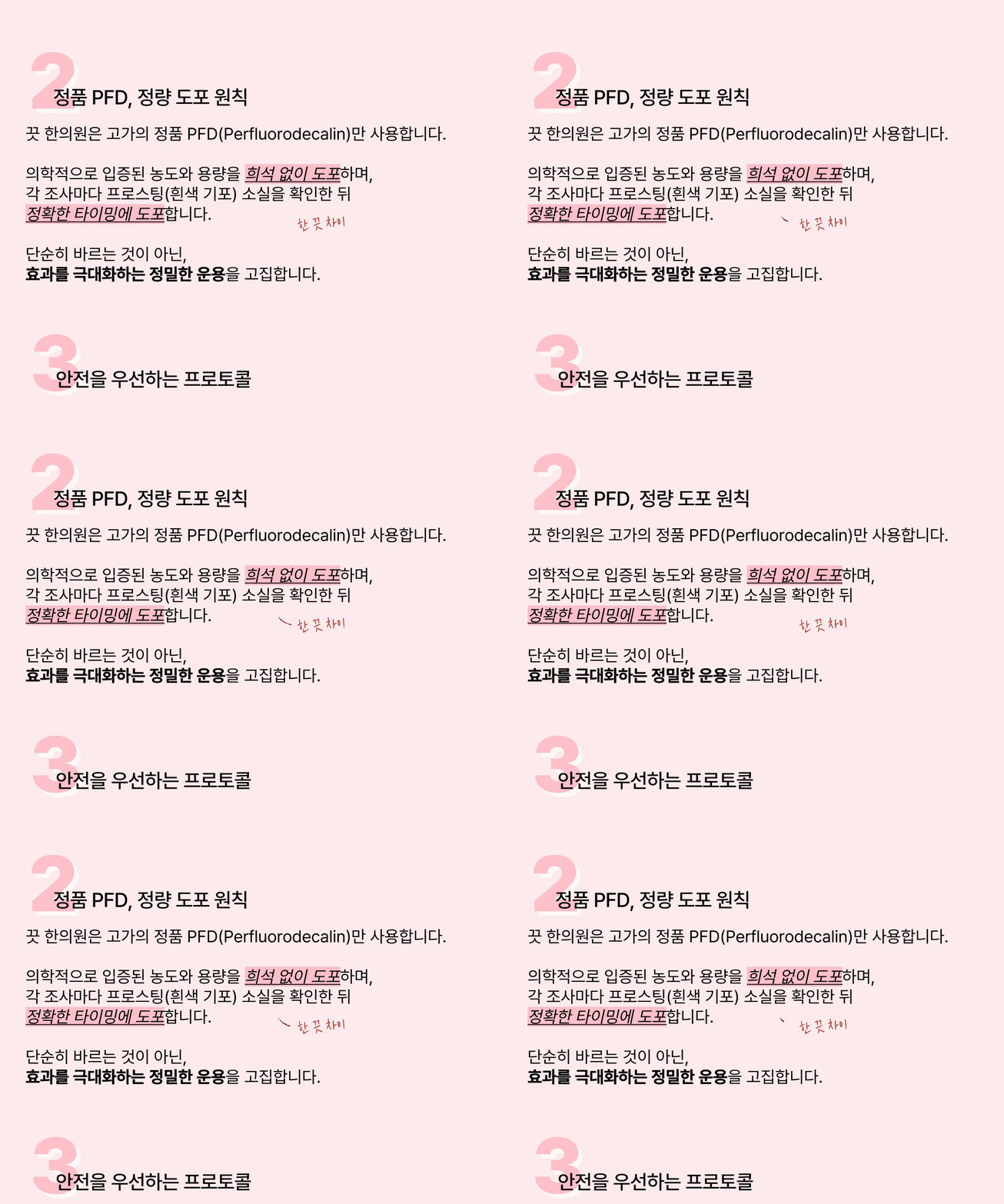
A key feature of this technique is the use of a special liquid substance called ‘PFD (Perfluorodecalin)’.
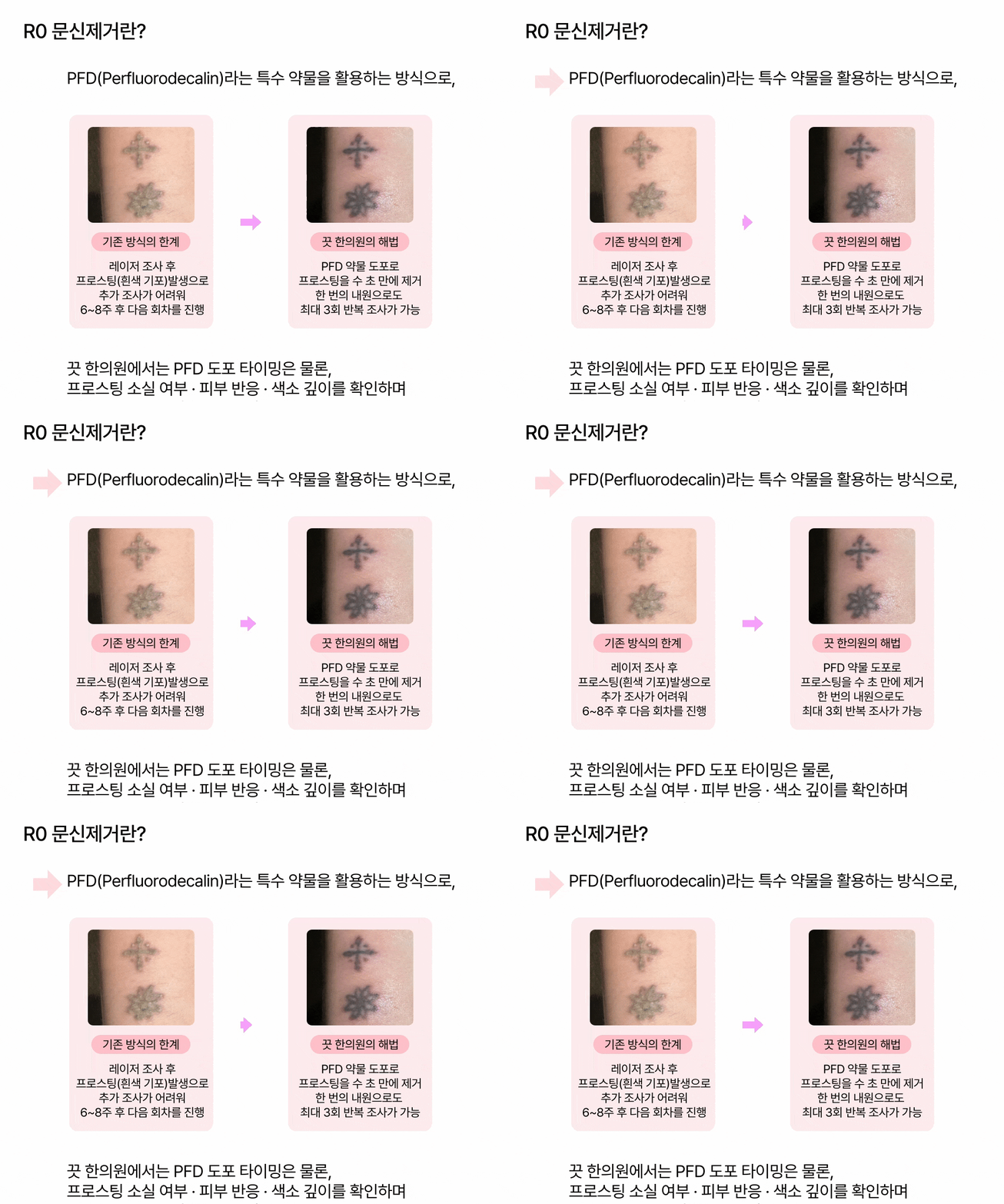
When a laser is applied to the skin, white bubbles known as ‘frosting’ appear on the surface.
These bubbles cause scattering of the laser light, significantly reducing the effectiveness of subsequent laser passes.
Previously, it was common to wait several tens of minutes for these bubbles to naturally disappear, but often they didn't completely vanish. Alternatively, postponing the next treatment was a common approach.
However, applying PFD can remove frosting within seconds, allowing for multiple repetitive laser passes by reducing the interval between laser shots to within 1-2 minutes.
Consequently, this means that tattoo pigment reduction can be achieved in a much shorter period than with traditional methods.
Related Research Findings
- Biesman et al., 2013
- In patients treated with the R0 method, the number of treatment sessions could be reduced by approximately 30-50% compared to traditional methods, and
- it was confirmed that immediate repetitive laser passes are possible right after the initial pass.
- Kauvar et al., 2020
- For patients who underwent the R0 method approximately 3 times, we examined the total number of laser passes, set at around 10 sessions (approximately 3 R0 sessions).
- As a result, over 70-90% reduction in tattoo pigment could be observed, and
- the incidence of side effects such as post-inflammatory hyperpigmentation (PIH) was also reported to be relatively low.
So, why is it often only repeated '3 times' instead of '4 times'?
Theoretically, the R0 method is known to allow for repetitive laser passes up to 4 times, but
in actual clinical practice, treatments are often stopped after 2-3 repetitive passes.
There are several reasons for this decision:
1. Characteristics of Asian Skin
Asian skin has high responsiveness of melanin cells, and there is a relatively higher chance of developing post-inflammatory hyperpigmentation (PIH).
Especially for those with Fitzpatrick skin types III~IV,
excessive repetitive passes can go beyond breaking down pigment and over-stimulate the skin itself, increasing the risk of worsening hyperpigmentation.
2. Balance between Number of Passes and Safety
Usually, up to 3 passes are deemed acceptable, while observing the skin's reaction.
However, exceeding 4 passes can dramatically increase the likelihood of damage to normal tissue, increased pain, erythema, or minor burn reactions.
3. Limitations of Laser Efficiency
Even with the use of PFD, there is a physical limit to the amount of pigment particles a laser can destroy.
After about 3 repetitive passes in a single treatment session, the efficiency of the laser gradually decreases from that point onward, and
even if the laser intensity is increased, the achievable effect is limited, and only the risk of side effects may increase.
In other words, the technical possibility of ‘up to 4 passes’ and ‘the optimal number of passes that is safe for the patient and can yield expected results’ must be considered differently.
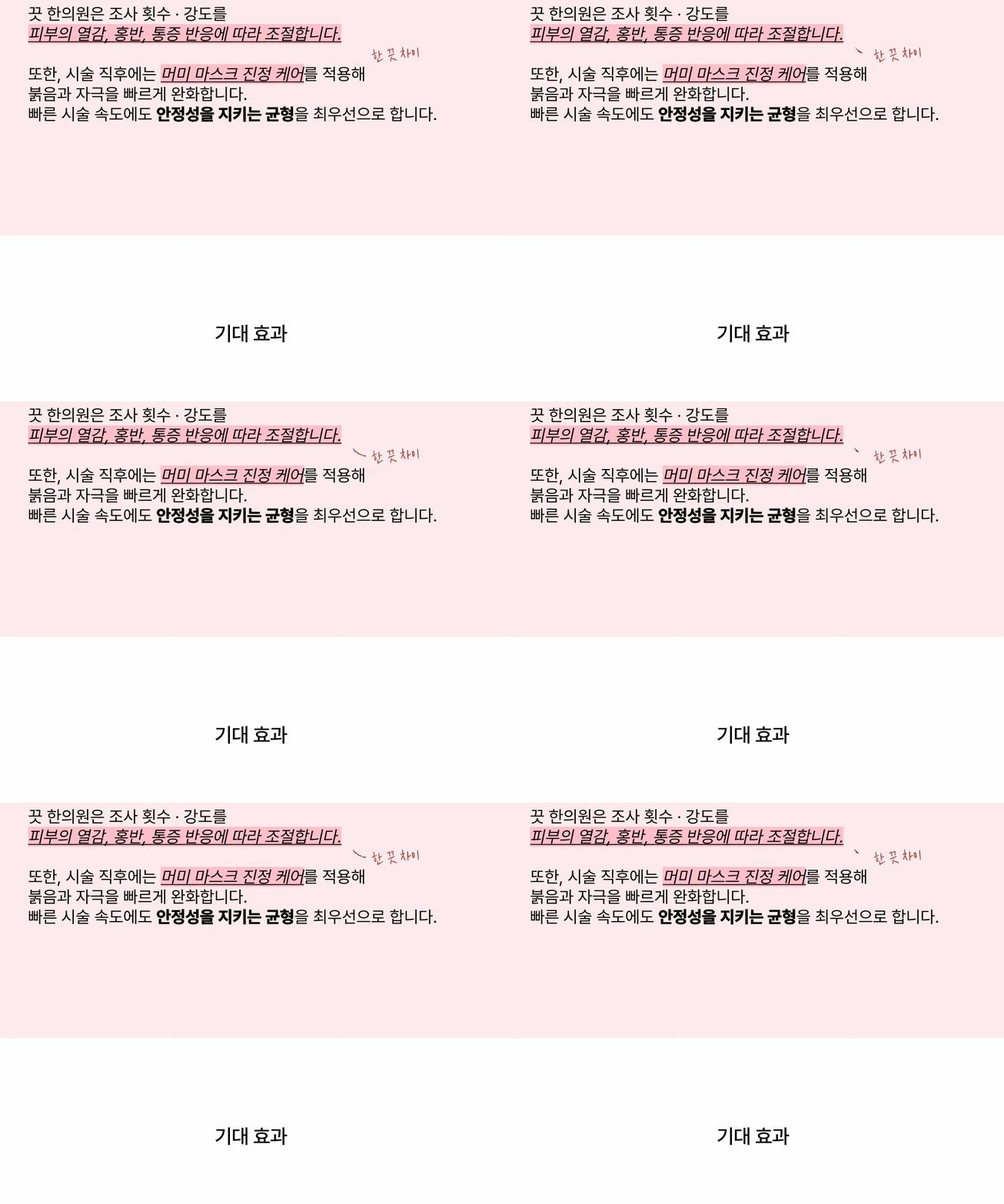
Therefore, our medical team plans treatments, mostly based on 3 repetitive passes, taking into account the patient's skin safety and satisfactory results.
So, why don't all medical institutions adopt the R0 method?
This treatment method does not necessarily have only positive aspects from the perspective of medical institutions.
- PFD drugs are costly and difficult to secure consistently.
- The appropriate timing for PFD drug application and the plan for repeated laser irradiation require the professional judgment of experienced medical staff.
- Compared to general tattoo removal procedures, the time required tends to be 2-3 times longer.
For these reasons, it may not be the preferred treatment method for facilities that prioritize patient turnover.
However, we prioritize the completeness of the procedure and minimizing the patient's burden,
we believe that the effective aspects this treatment method can offer cannot be overlooked.
At our clinic, we only perform repeated laser treatments as needed, avoiding excessive laser irradiation.
We always strive to achieve the most effective tattoo removal results while prioritizing the safety of your skin.
We improve the efficiency of the treatment process, reduce the burden you may feel, and prioritize safety to aid in your improvement.
문신 제거 시술 절차
첫 상담부터 마무리까지의 실제 진행 순서를 확인하세요.
- 01
개개인의 문신 상태를 확인하고 상세하게 상담합니다.
- 02
시술 부위에 마취 연고를 바릅니다.
- 03
문신 특성에 맞춰 레이저 설정을 조절한 후 시술을 진행합니다.
- 04
시술 후 피부 진정을 돕는 마무리 관리가 이루어집니다.
시술 기본정보
시술 시간, 마취, 회복, 유지기간을 한 번에 확인하세요.
TIME
1시간~1시간30분 (크기에 따라 상이)
ANESTHESIA
마취 크림
RECOVERY
즉시 일상생활 가능
Q&A
고객님들이 가장 많이 물어보시는 내용을 모았습니다.
Approximately how many tattoo removal sessions are needed?

The number of sessions required can vary depending on the depth and type of tattoo pigment, as well as individual skin conditions. Generally, we recommend multiple sessions with an interval of about 4 to 6 weeks. It is best to consult with a medical professional to determine the exact number of sessions.
Do I need to prepare a separate ointment to use after the procedure?
After tattoo removal, the treated area may experience some irritation. To help manage this irritation, our clinic provides the necessary ointment for recovery.