


Brightening / Melasma / Redness / Blemishes[Same Toning, Different Results] Laser Toning
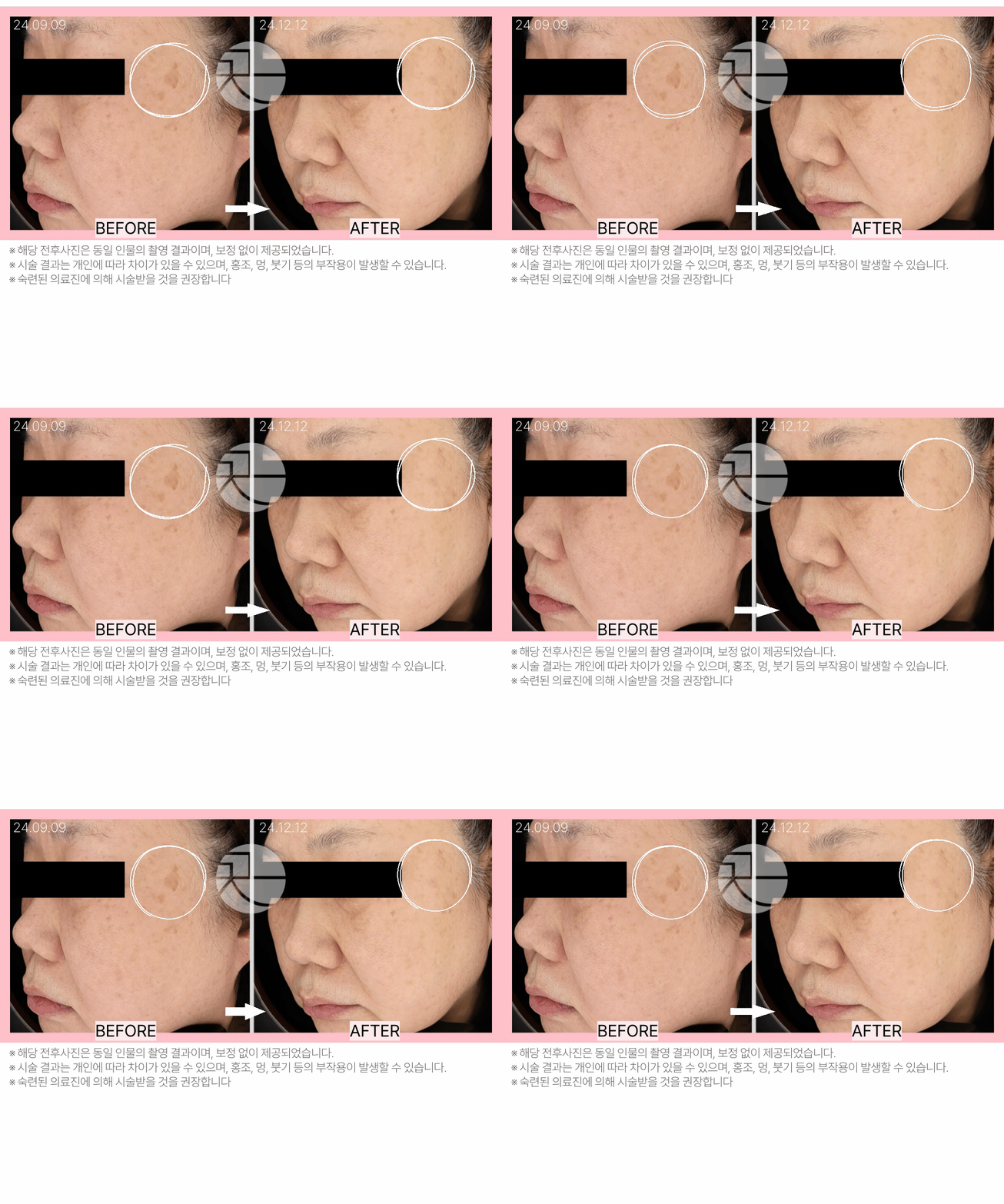
![[Same Toning, Different Results] Laser Toning](/_next/image?url=https%3A%2F%2Ffirebasestorage.googleapis.com%2Fv0%2Fb%2Fkkeutguro-7e583.firebasestorage.app%2Fo%2Fproducts%252Fguro%252Fen%252F1758772754436_6a736bf3-5320-4290-9e11-206920de8ee9___-001-ezgif.com-png-to-webp-converter.webp%3Falt%3Dmedia%26token%3D6117b6e0-455a-48ba-b800-0139c919c871&w=2048&q=75)
[Same Toning, Different Results] Laser Toning
Premium toning using 1064nm wavelength delivering energy to deep layers and wide areas of the skin, precisely approaching while considering the condition of pigmentation, and helping to improve various pigmentation concerns. From melasma, lentigines, freckles, ABNOM, to dark circles, it is managed according to each individual's skin condition. *VAT separate
Options
Treatment Details








Unique Strengths of Our Korean Medicine Clinic's Laser Toning
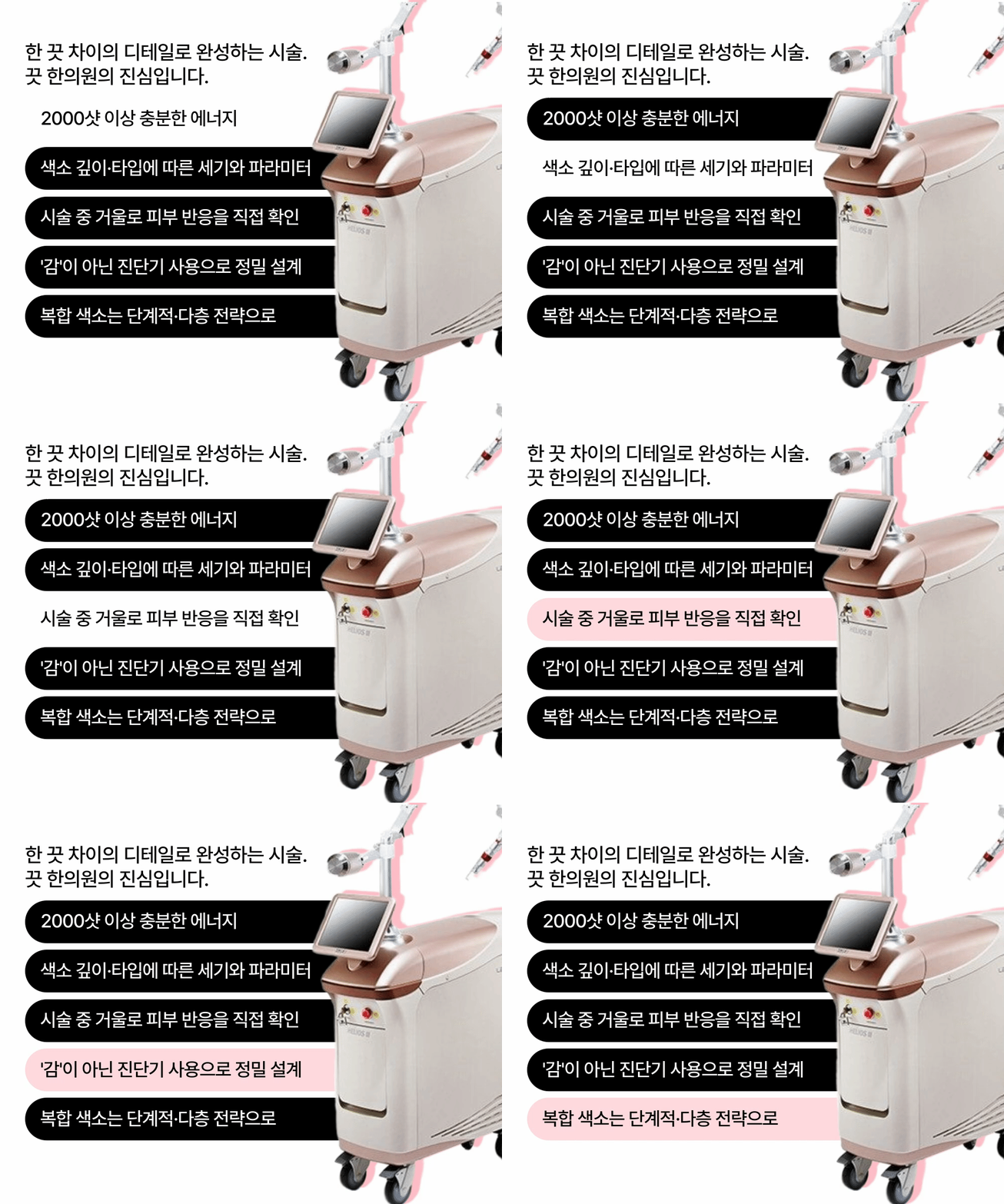
- Our Korean medicine clinic uses laser energy of '2000 shots or more'. Instead of performing treatments with excessively low power and low shot counts, we focus on precisely delivering sufficient energy to achieve satisfactory results while minimizing skin irritation.
- Pigmentation requires different approaches depending on its depth and type. Various types of pigmentation, such as melasma, ABNOM (Acquired Bilateral Nevus of Ota-like Macules), and blemishes, each have their own characteristics. We approach sensitive pigmentation like melasma gently, and adjust the intensity more intensively for dermal pigmentation like ABNOM. In complex cases, we apply customized intensity and settings for each area.
- The treatment isn't over just because the laser irradiation is complete. Even during the treatment, the director personally observes the patient's skin reaction carefully with a mirror. If necessary, we meticulously adjust the laser's spot size, intensity, and even change the handpiece. This goes beyond simply firing a laser; it's a delicate process tailored to each individual's skin condition.
- Pigmentation diagnosis does not rely on 'intuition'. Using a Mark-Vu diagnostic device, we meticulously confirm the exact location, type, distribution, and depth of the pigmentation. Based on these diagnostic results, we establish a suitable treatment plan for each patient.
- When multiple types of pigmentation appear together, approaching them with only one method carries the risk of worsening the condition. For example, when melasma and ABNOM are present simultaneously, we first stably calm the melasma before proceeding to intensively manage the ABNOM located in the dermal layer. This multi-layered approach helps reduce skin burden and promotes improvement.
What Makes Our Korean Medicine Clinic's Laser Toning Special
Laser toning is a commonly used method for improving pigmentation issues. However, there can be clear differences in treatment results depending on the equipment used, and the number of shots and intensity applied during the procedure.
Various pigmentary disorders such as melasma, blemishes, and ABNOM (Acquired Bilateral Nevus of Ota-like Macules) differ in their depth within the skin and tissue response. Therefore, a precise treatment plan tailored to the characteristics of each condition is crucial.
1. Sufficient Energy Delivery of 2,000 Shots or More
According to many studies, low-fluence laser toning is known to be relatively stable and effective when performed within the range of 1,500 to 2,500 shots.
We apply a minimum of 2,000 laser shots, planning treatments to achieve sufficient improvement while minimizing unnecessary skin irritation.
Simply operating the equipment alone makes it difficult to bring about skin changes.
The process of meticulously adjusting the number of shots, output intensity, laser irradiation speed, and spot size according to the depth and distribution of pigmentation, as well as individual skin sensitivity, is essential.
2. Customized Toning Adjustment for Each Pigmentary Disorder
1) Melasma
Melasma is one of the pigmentary disorders characterized by its appearance mainly on both sides of the face and a tendency to spread widely.
Since it's a condition where melanocytes are overactive and produce a lot of melanin pigment, strong stimulation to the skin can potentially worsen melasma.
We accurately analyze the extent and depth of melasma using a Mark-Vu skin diagnostic device. Based on this information, we initiate laser toning treatment with a short pulse duration of 5 nanoseconds.
We strive to reduce potential side effects after treatment by using a method that selectively destroys only the melanosomes within the cells without stimulating the melanocytes.
During the treatment, the director personally observes the patient with a mirror and adjusts the laser's intensity and the areas to focus on. To ensure no area is missed, we may even switch handpieces or finely adjust the equipment settings.
We monitor skin changes with the patient using a mirror, from before the treatment, throughout the procedure, and even after.
2) ABNOM (Acquired Bilateral Nevus of Ota-like Macules)
ABNOM is a condition, similar to melasma, where pigmentation is distributed in the dermal layer. However, it may require stronger laser energy compared to melasma.
In complex cases where melasma and ABNOM appear simultaneously, contradictory treatment strategies are required: gentle adjustment for melasma and stronger adjustment for ABNOM. This demands the medical team's meticulous treatment expertise.
If strong laser treatment is performed without first stabilizing the melasma, the melasma could actually worsen.
We strive to reduce side effects through thorough differential diagnosis and the establishment of a customized treatment plan before the procedure. We set appropriate laser intensity for each patient to ensure that ABNOM can also be improved.
ABNOM treatment also involves accurate differentiation through Mark-Vu diagnosis, followed by the application of the director's customized parameters. This involves delicately adjusting the laser spot size, repetition rate, output intensity, and other factors according to the patient's skin type.
3) Other Pigmentary Disorders
Pigmentation that responds relatively quickly, such as lentigines, freckles, and blemishes, can be easily improved with the appropriate wavelength. However, if these pigments are accompanied by melasma or ABNOM, the treatment can become much more complex.
Even in such complex situations, a precise diagnosis is required, along with checking with a mirror during each session, and making delicate customized adjustments such as output and laser handpiece changes. Unlike conventional uniform laser toning methods, we aim for melanin pigmentation treatment tailored to each individual's condition.
Picotoning vs. Laser Toning Comparison
Picotoning has the theoretical advantage of being able to destroy pigment more finely by using ultra-short laser pulses in picosecond units.
In contrast, laser toning delivers laser energy over a relatively longer duration, in nanosecond units, compared to picotoning.
Both treatments can selectively target melanin pigment to improve skin tone and be used for managing various pigmentary disorders such as melasma, blemishes, and ABNOM (Acquired Bilateral Nevus of Ota-like Macules).
Due to the difference in laser irradiation time, picotoning may show a faster response in the initial 2-3 treatments. However, when treated consistently for 10 sessions or more, both methods can be expected to yield similar levels of whitening effects.
Laser toning is a treatment method whose efficacy has been confirmed for approximately 20 years. Especially for sensitive skin or skin conditions vulnerable to irritation, like melasma, it can be a more stable approach.
Since picotoning delivers strong energy intensively in a short time, temporary redness or a slight stinging sensation may be experienced after the treatment.
Clinical research results show many reports indicating that when compared based on the same 1064nm wavelength, both methods do not show significant differences in improving skin brightness, reducing the degree of melasma, or decreasing melanin index.
Consequently, what methods can achieve effects comparable to picotoning even with laser toning?
It is important to gradually build up the effects through 10 or more repeated treatments.
During the procedure, the energy intensity should be adjusted appropriately by observing the skin's reaction between 1.0 and 2.0 J/cm².
It is known that sufficient laser irradiation of at least 2000 shots is required.
It is recommended to maintain an interval of 1 to 2 weeks. If the treatment interval is too long, the cumulative effect may be weakened.
It is important to receive treatment from experienced medical professionals who can adjust in real-time according to your skin type and reactions during the procedure.
If these conditions are met, various research results show almost no difference compared to Pico Toning.
All information mentioned above is based on relevant research papers.
References include Medicina (Kaunas), 2022, Lasers in Medical Science, 2021, and Journal of Cosmetic and Laser Therapy, 2021.
What is Laser Toning?
Laser toning is a treatment method that progressively breaks down pigments and uniformly improves overall skin tone by irradiating low-energy lasers deep into the skin multiple times.
Unlike treatments that directly remove pigments with strong output, this treatment uses a method of accumulating subtle stimuli to gently break down melanin pigment and promote the skin's own regeneration.
It is a treatment that can be applied to various pigmentary disorders such as melasma, blemishes, and acquired bilateral nevus of Ota-like macules (ABNOM) while reducing irritation to the skin. It is also one of the commonly used methods among various pigment treatments today.
1. Type of laser used: Q-switched Nd:YAG
Q-switched Nd:YAG lasers are primarily used for laser toning treatments.
The 1064nm wavelength of this laser deeply penetrates to the upper dermis, where melanin pigment is mainly located. At this time, it selectively destroys only the pigment without damaging the skin surface.
Because it focuses on pigment removal while preserving the skin barrier, it can be considered for sensitive or thin skin with relatively little burden.
2. Low output, high-frequency 'tone-up' stimulation
While some existing pigment treatments use strong lasers to remove pigments at once, laser toning utilizes a method of irradiating weak energy lasers repeatedly.
This method progressively and subtly destroys melanin particles while reducing damage to skin tissue. Afterward, the body's immune system, macrophages, helps absorb and naturally eliminate these destroyed particles.
Through this process, you can expect changes where your skin tone gradually becomes more even and clearer.
3. Destruction of dendritic processes + removal of melanin within melanocytes
Laser toning goes beyond simply removing pigments; it also performs the function of inhibiting the melanin production pathway itself.
The core of this action is the destruction of the dendritic processes of melanocytes.
Dendritic processes act as pathways that transport mature melanin carriers (melanosomes) produced in melanocytes to the epidermis, the outer layer of the skin.
When the laser damages these dendritic processes, melanin carriers cannot move to the epidermis, and as a result, pigment deposition on the skin surface can be prevented.
Furthermore, by directly destroying the melanin pigment accumulated within the melanocytes, it can help improve existing pigment deposition.
This action primarily occurs with nanosecond or picosecond lasers, which have short pulse durations.
Therefore, this can be considered an important mechanism of action expected in treatments such as laser toning or pico toning.
3 Key Points of Laser Toning
Three main treatment principles of laser toning
Laser toning is a treatment method that goes beyond simply removing pigments, controlling the overall process from melanin production to transportation.
1. Removal of existing pigment particles
For pigmentary disorders other than melasma, such as freckles or acquired bilateral nevus of Ota-like macules (ABNOM), melanin can be removed and improvement can be expected through relatively strong treatment settings.
However, melasma reacts sensitively to irritation, so very careful energy control is essential. Care must be taken, as even slight irritation can activate melanocytes further.
2. Inhibition of melanosome transport by destroying dendrites (dendritic processes)
It prevents melanosomes produced in pigment cells from migrating to the epidermal layer, thereby preventing pigment deposition from occurring.
3. Direct destruction of melanin within melanocytes
The laser directly breaks down the melanin pigment accumulated within melanocytes, reducing the concentration of melanin and leading to a skin brightening effect.
Laser Toning Effects
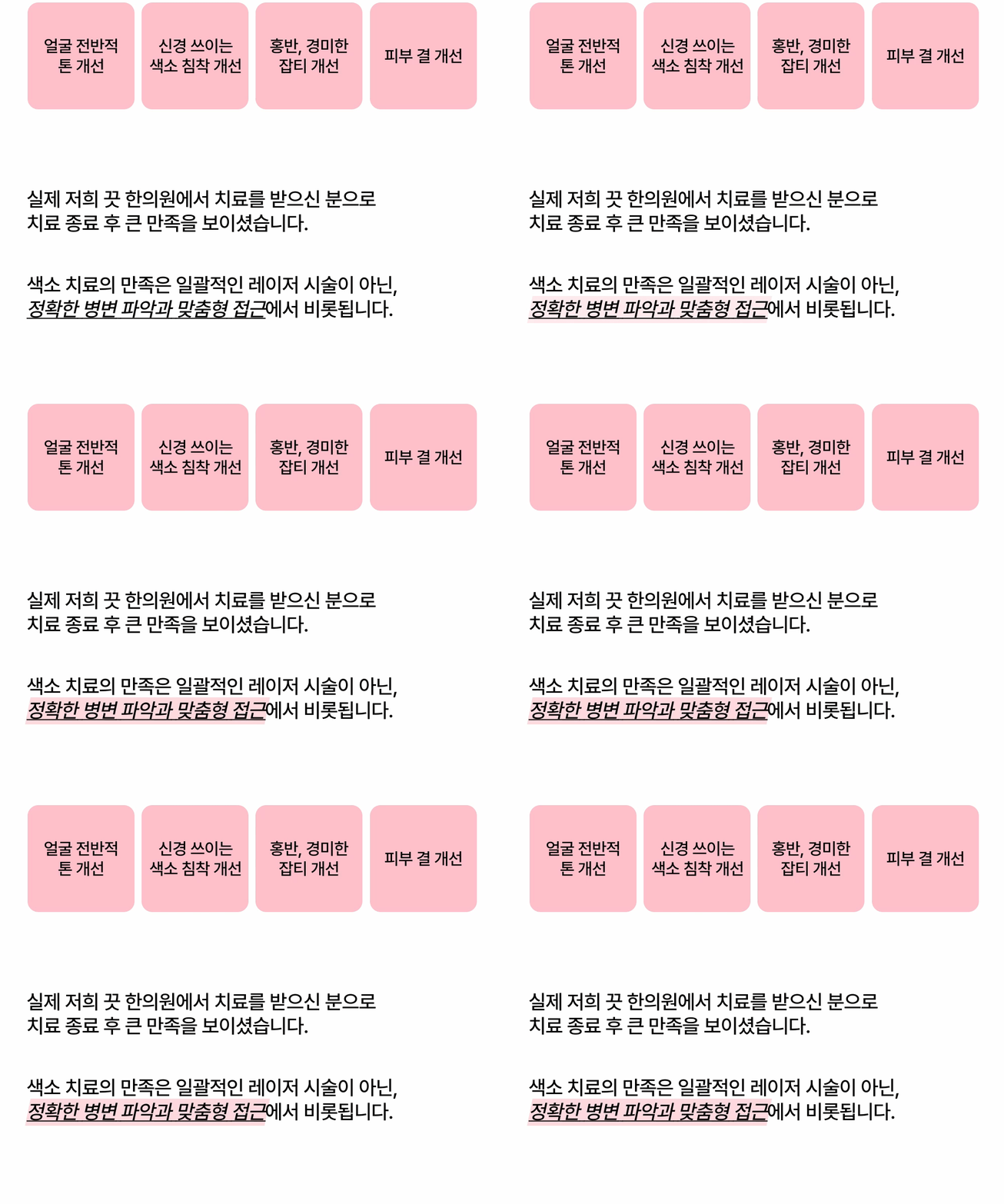
- 1. Tone-up effect for brighter skin: Subtle laser stimulation gently breaks down melanin, leading to a gradual clearing of dull skin.
- 2. Alleviation of Melasma and PigmentationIt can help alleviate sensitive melasma or pigmentation. This method selectively targets melanosomes without stimulating melanin cells, thereby reducing the burden.
- 3. Improvement of ABNOM (Acquired Bilateral Nevus of Ota-like Macules)You can expect improvement in dermal pigmentation such as Acquired Bilateral Nevus of Ota-like Macules (ABNOM). The procedure is performed by adjusting customized intensity to reach pigmentation located deeper than melasma.
- 4. Blocking Pigment Production to Reduce Recurrence ConcernsHelps reduce concerns about pigment recurrence. By caring for the dendrite sheath, which is the pathway for melanin to move out of the skin, it can help suppress pigment production.
- 5. Smooth Skin Texture through Fine Line & Texture ImprovementIt can have a positive effect on improving skin texture and fine lines. Laser stimulation promotes the skin's regenerative process, helping to create an overall refined skin texture and expecting the effect of reducing fine lines.
- 6. Minimally Stimulating ProcedureThe procedure is performed in a way that minimizes skin irritation. By using a method of multiple irradiations with low energy, even sensitive skin types can consider the procedure relatively comfortably.
Recommended for Laser Toning
- 1. Those concerned about dull or uneven skin tone
- 2. Those who experience persistent or worsening pigmented lesions such as melasma, blemishes, and freckles
- 3. Those with dermal pigmentation, such as Acquired Bilateral Nevus of Ota-like Macules (ABNOM)
- 4. Those with thin and sensitive skin who wish to resolve pigmentation concerns
- 5. Those who also desire improvements in fine lines and skin texture
- 6. Those who seek consistent improvement with minimal skin irritation
Laser Toning Procedure Steps
- STEP 1. Conduct a precise skin diagnosis using Mark-Vu. This analyzes the exact depth and scope of pigmentation that is difficult to identify with the naked eye.
- STEP 2. Establish a customized treatment plan through a 1:1 consultation with the head doctor.
- STEP 3. After setting personalized parameters, begin the laser toning procedure. Immediately before the procedure, confirm the treatment area once more with the head doctor while looking in a mirror.
- STEP 4. During the procedure, check the progress through a mirror and, if necessary, re-examine the focus areas.
- STEP 5. After the procedure, check the results in a mirror and receive a detailed explanation of the future progress.
A Message from Our Head Doctor
Many patients have experienced discomfort for a long time due to pigmentation issues like melasma or ABNOM.
Sometimes, they harbor vague anxieties such as, 'Can it truly improve?' or 'What if it gets even darker?'
Considering these concerns, we always strive to ensure that pigmentation treatment is not merely a mechanical process.
Our medical team meticulously checks the skin condition directly and precisely delivers energy only as needed for each area, which we consider a crucial principle.
For pigmented lesions, a customized approach is essential, depending on skin depth and individual sensitivity.
Laser toning is not a procedure performed carelessly. We have strived to establish a systematic approach to provide positive changes for our patients. We will do our best to achieve the improvements you expect.
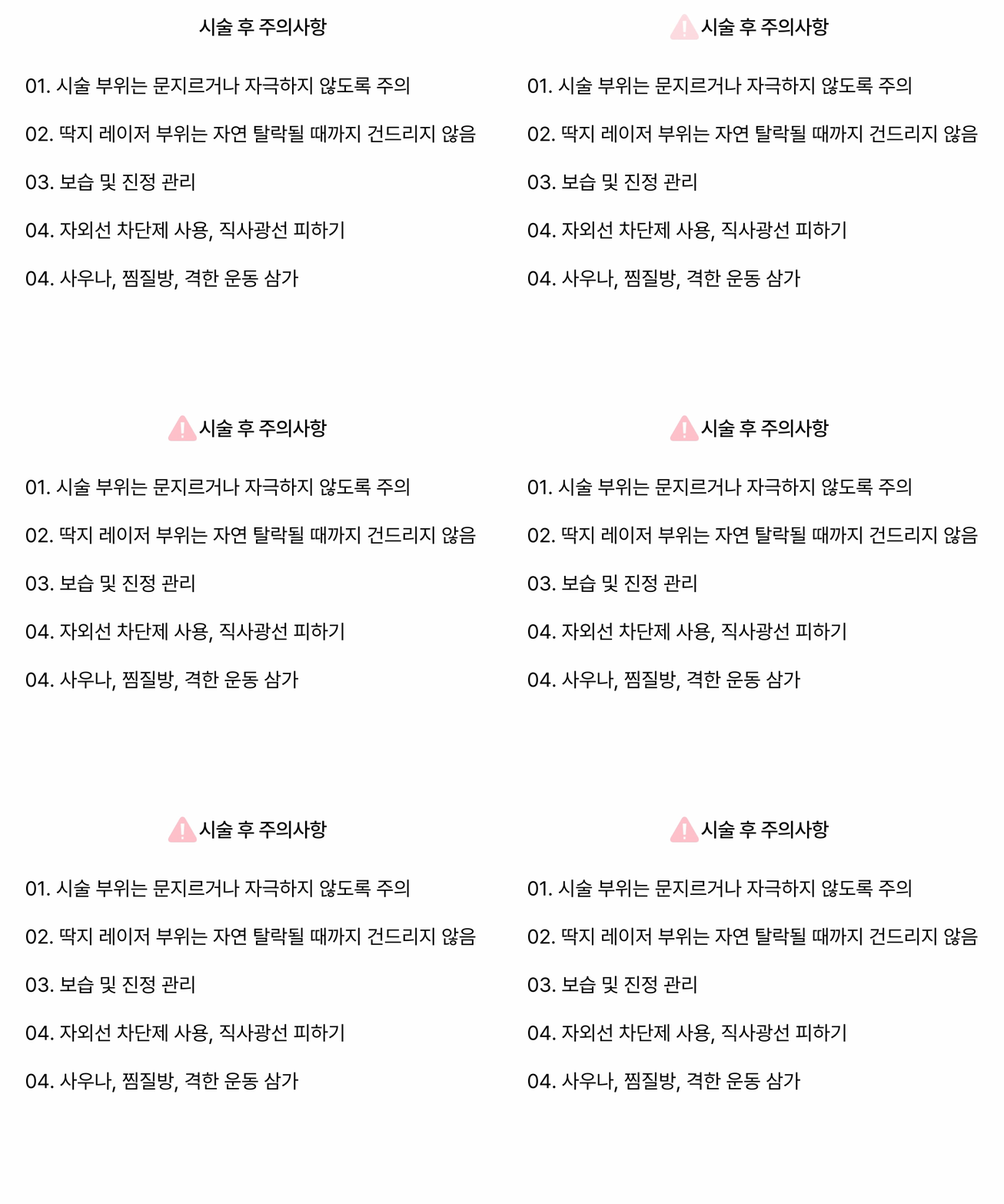
Post-Procedure Precautions
- ㆍYou can wash your face and apply makeup from the day of the procedure. We recommend paying special attention to sun protection.
- ㆍIt is recommended to provide sufficient soothing and moisturizing care for temporarily irritated skin.
- ㆍSlight swelling or redness may appear after the procedure, but it usually subsides naturally over time. If these symptoms persist for more than a few days, please inform our medical team, and we will provide the necessary guidance.
시술 진행 단계
첫 상담부터 마무리까지의 실제 진행 순서를 확인하세요.
- 01
스스로 세안하여 피부를 준비합니다.
- 02
마크뷰(Mark-Vu) 장비를 활용한 피부 정밀 진단이 이루어집니다.
- 03
개인의 피부 상태와 목표에 맞춘 상담을 진행합니다.
- 04
개별 맞춤 설정값으로 레이저 토닝 시술을 진행합니다.
- 05
시술 부위에 재생 크림을 도포하며 마무리합니다.
시술 기본정보
시술 시간, 마취, 회복, 유지기간을 한 번에 확인하세요.
TIME
20~30분 이내
ANESTHESIA
마취 없음
RECOVERY
일상생활 바로가능
Q&A
고객님들이 가장 많이 물어보시는 내용을 모았습니다.
What are the appropriate number of sessions and frequency for laser toning?

Generally, we often recommend 10 or more sessions, usually spaced 1-2 weeks apart. This may vary depending on individual skin condition.
Can acne sometimes occur after toning treatment?
For those with active sebum secretion after treatment, temporary acne may appear. It usually tends to subside gradually over time, so there's no need to worry too much. However, please be careful not to irritate the treated area and pay attention to moisturizing. If discomfort persists after a week, it would be advisable to visit the clinic to have your condition checked.
Which treatment, Pico Toning or Nano Toning, can be considered more effective?
Although there is a difference in the shorter laser irradiation time, the results observed in actual clinical practice do not show a significant difference between the two treatment methods.